Regional Variations in Bookmaker Reward Programs: Focus on Accessibility for American Bettors
Ellis Wagner · Sep 24, 2026
Regional Variations in Bookmaker Reward Programs: Focus on Accessibility for American Bettors
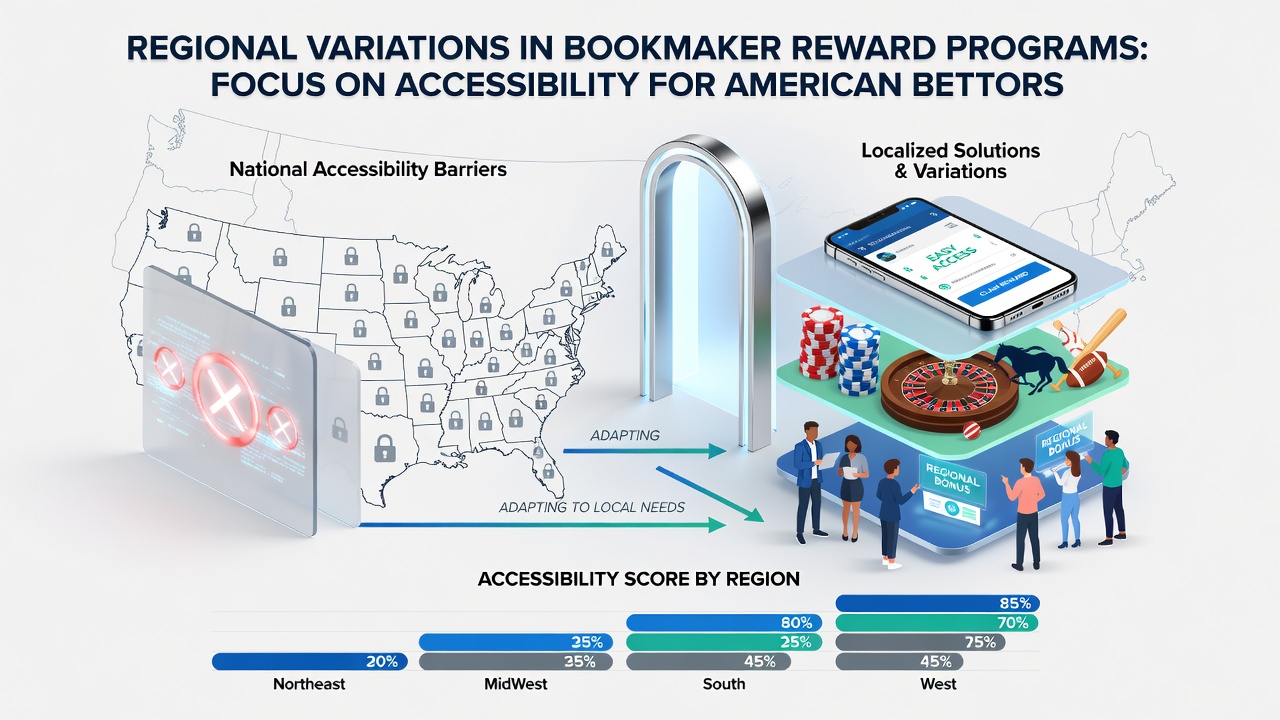
Bookmaker reward programs differ substantially across regions because of varying legal frameworks, tax structures, and market maturity levels, and these differences directly shape what American bettors can access when they participate in legal or offshore platforms. States with mature sports betting markets such as New Jersey and Pennsylvania have developed structured loyalty systems that tie cashback percentages and bonus tiers to verified account activity, whereas states that only recently legalized betting often feature simpler sign-up incentives with fewer ongoing rewards.
How Legal Frameworks Shape Reward Availability
Regulatory environments determine whether operators can offer deposit matches, free bets, or loyalty points that convert into cash, and observers note that jurisdictions with strict advertising rules tend to limit the visibility of such programs even when they exist. In the United States the patchwork of state laws creates a situation where a resident of one state may receive weekly cashback offers while a neighbor in a neighboring state sees only basic welcome bonuses, because each licensing body sets its own conditions on player incentives. Data from the Nevada Gaming Control Board shows that reward program participation rates in regulated markets climbed steadily between 2022 and 2025, reflecting both increased competition among operators and clearer guidelines on permissible promotions.
Accessibility Barriers Specific to American Bettors
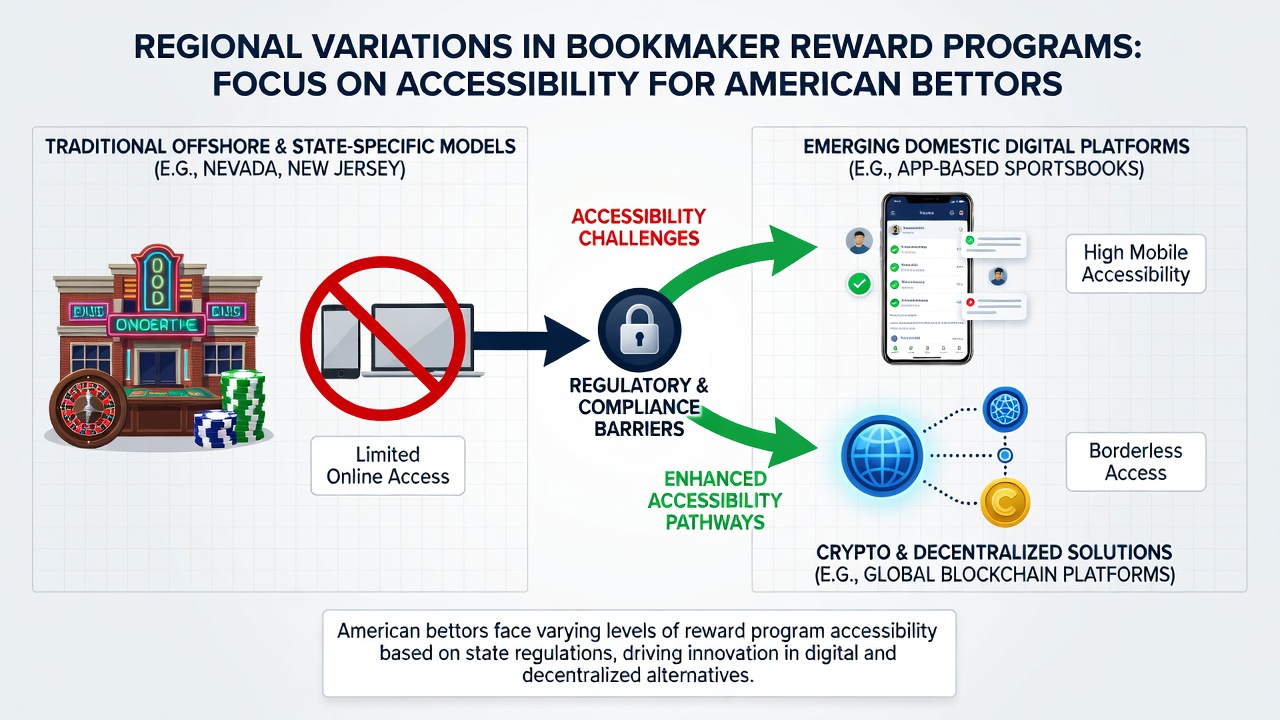
American bettors often encounter geo-restrictions and payment processing hurdles that limit access to reward programs available elsewhere, and these obstacles become more pronounced when bettors attempt to use platforms licensed in Europe or Australia. Payment methods accepted by US-facing sites frequently exclude certain e-wallets popular in other regions, which in turn blocks eligibility for reload bonuses or tiered loyalty benefits that require those specific deposit channels. Research conducted by the University of Nevada, Las Vegas Center for Gaming Research indicates that approximately 38 percent of American bettors who try international platforms report incomplete reward redemptions due to verification mismatches, highlighting how regional compliance requirements create friction.
International Comparisons and Their Influence on US Options
European markets, particularly those regulated under the Malta Gaming Authority, have long offered multi-tier loyalty schemes that reward consistent play with personalized cashback rates reaching up to 15 percent, while Australian operators regulated by the Australian Communications and Media Authority focus more on bonus bets tied to specific sporting events rather than ongoing cashback. These international models influence what offshore platforms make available to American users, yet operators must still navigate US federal and state restrictions that prohibit certain promotional structures. One study published in 2025 by the International Center for Gaming Regulation found that American bettors using offshore sites accessed an average of 2.7 fewer reward categories than users in fully regulated European markets, largely because of anti-money laundering checks and state-level prohibitions on particular bonus types.
September 2026 is expected to bring updated reporting requirements in several US states that currently allow sports betting, and these changes may affect how reward program data is tracked and shared between operators and regulators. Bettors in states scheduled to implement the new standards could see reward offers become more transparent, with clearer breakdowns of wagering requirements and expiration dates appearing directly in account dashboards. Meanwhile, states that have not yet legalized sports betting continue to rely on offshore platforms whose reward structures remain outside local oversight, creating ongoing disparities in what American bettors can reliably claim.
Payment Methods and Their Role in Reward Access
Payment options available to American bettors determine which reward programs they can actually unlock, and sites that accept traditional bank transfers often restrict certain cashback promotions to cryptocurrency deposits only. Observers note that this creates a two-tier system where users comfortable with digital currencies gain access to higher-value ongoing rewards while those limited to credit cards or ACH transfers receive fewer opportunities. Figures released by the New Jersey Division of Gaming Enforcement reveal that reward redemption rates on platforms accepting multiple payment types were 22 percent higher than on sites with narrower options during the 2024–2025 fiscal year, underscoring how regional payment regulations intersect with program design.
Future Outlook for American Bettors Seeking Rewards
As more states finalize sports betting legislation, the range of accessible reward programs is likely to expand, yet the pace of change will continue to vary by region because each state maintains independent licensing and consumer protection rules. American bettors who monitor developments in both regulated and offshore markets can identify which reward structures align with their preferred payment methods and activity levels, and industry reports suggest that cross-border platforms will keep adapting their offerings to remain competitive. The reality is that accessibility remains tied to the intersection of state law, operator licensing jurisdiction, and individual user verification status, producing a landscape that shifts as new regulations take effect.
Conclusion
Regional variations in bookmaker reward programs create distinct accessibility patterns for American bettors, with differences rooted in legal frameworks, payment infrastructure, and international regulatory models. Data from multiple sources demonstrates that participation and redemption rates fluctuate according to these regional factors, and upcoming changes scheduled for September 2026 may further refine how rewards are presented and tracked within the United States. Bettors benefit from understanding these variations because they determine which programs remain reachable based on location and available financial tools.